Digitalised Learning
Converted specialist navigation reference material into an interactive LMS module using symbol recognition activities, hotspot questions, and immediate learner feedback.
Interactive E-learning
Digitalisation

About project
This project explores how dense navigation reference material can be transformed into short, active learning activities for an LMS environment.
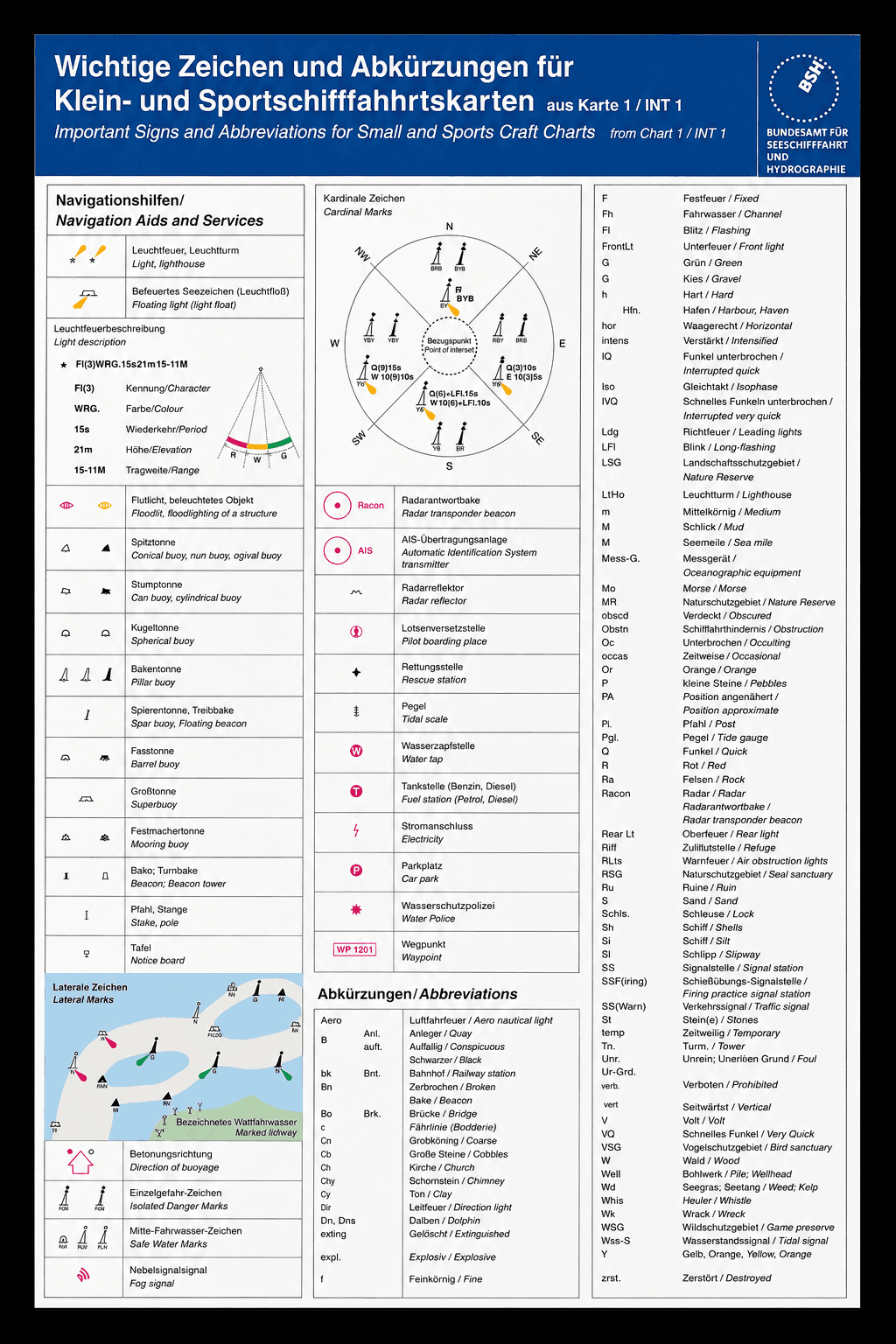
The original source was a technical waterway symbol card used in navigation training. It contained important symbols, abbreviations, and explanations, but functioned mainly as a static lookup resource. Learners could read or search the card, but there was limited opportunity to practise recognition or test understanding.
The goal was to convert this static material into a clean digital learning module built around symbol recognition, hotspot questions, instant feedback, and simple visual decision-making.
Challenge
Navigation training often depends on large reference tables filled with specialist symbols and abbreviations. These materials are useful, but they can be difficult for learners to absorb passively.
The challenge was to keep the technical accuracy of the original material while making it easier to practise. Rather than rebuilding the content from scratch, the task was to identify where small interactive moments could turn passive reference information into active recall.
This was especially important for learners who need to recognise symbols quickly in operational or assessment contexts, not just look them up after the fact.
Process
The original reference card was reviewed and broken down into smaller learning moments.
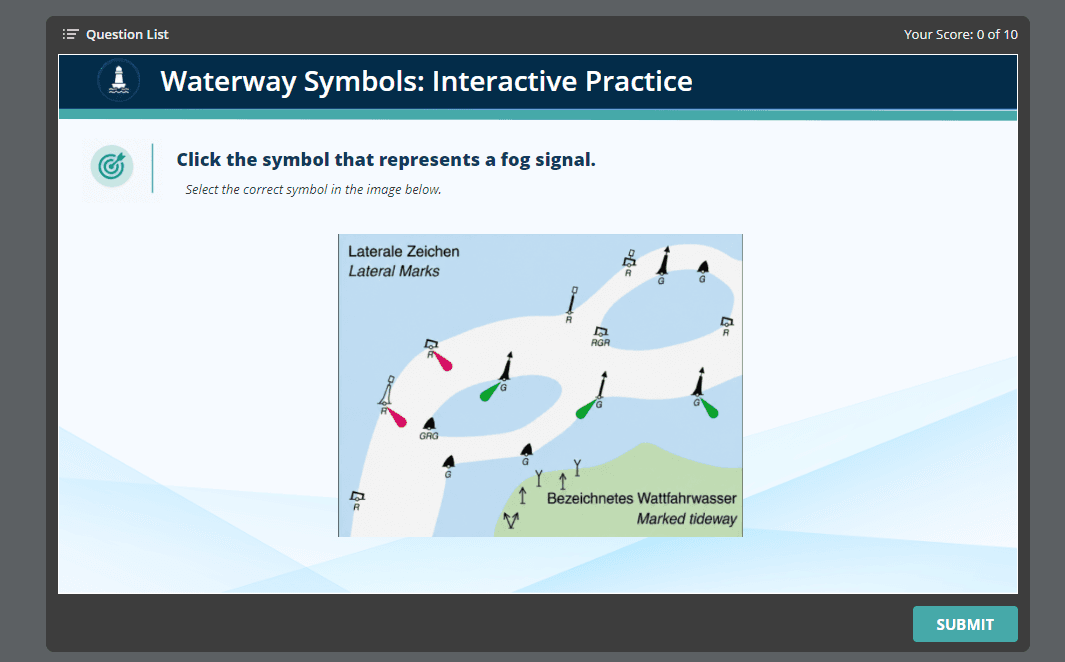
Instead of presenting the full symbol table as reading material, the content was redesigned around focused practice tasks. Individual symbols were selected and turned into multiple-choice questions using realistic answer options. Larger chart sections were adapted into hotspot activities where learners had to locate the correct symbol directly on the image.
The interaction design focused on clarity: simple question screens, strong visual contrast, minimal distraction, and immediate feedback after each decision. The aim was not to over-design the content, but to make the existing material more usable, memorable, and LMS-ready. Translating the questions and answers to simple, clear English was also a key step in making the project accessible to an international learner audience.
Result
The final output was a short interactive navigation symbol module that transformed a static reference card into active digital practice.
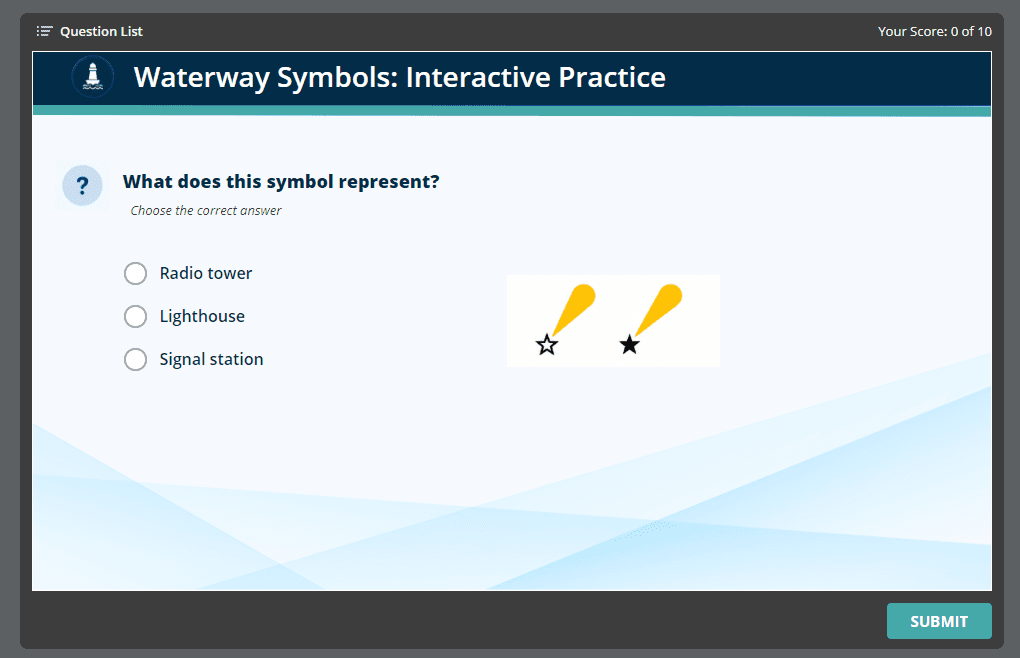
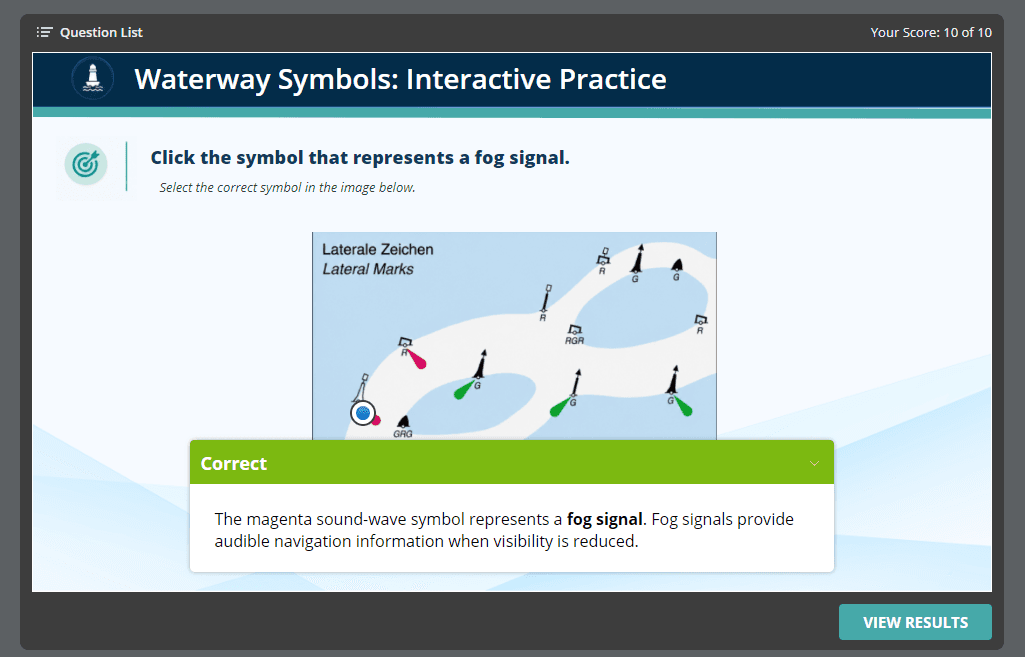
The module included symbol recognition questions, hotspot identification activities, immediate learner feedback, and a clean desktop learning interface suitable for LMS delivery.
This project demonstrates how existing technical resources can be modernised quickly and turned into practical training assets without losing their original subject-matter value.
Project shots